Monday, November 06, 2006
Oxford and Kenya
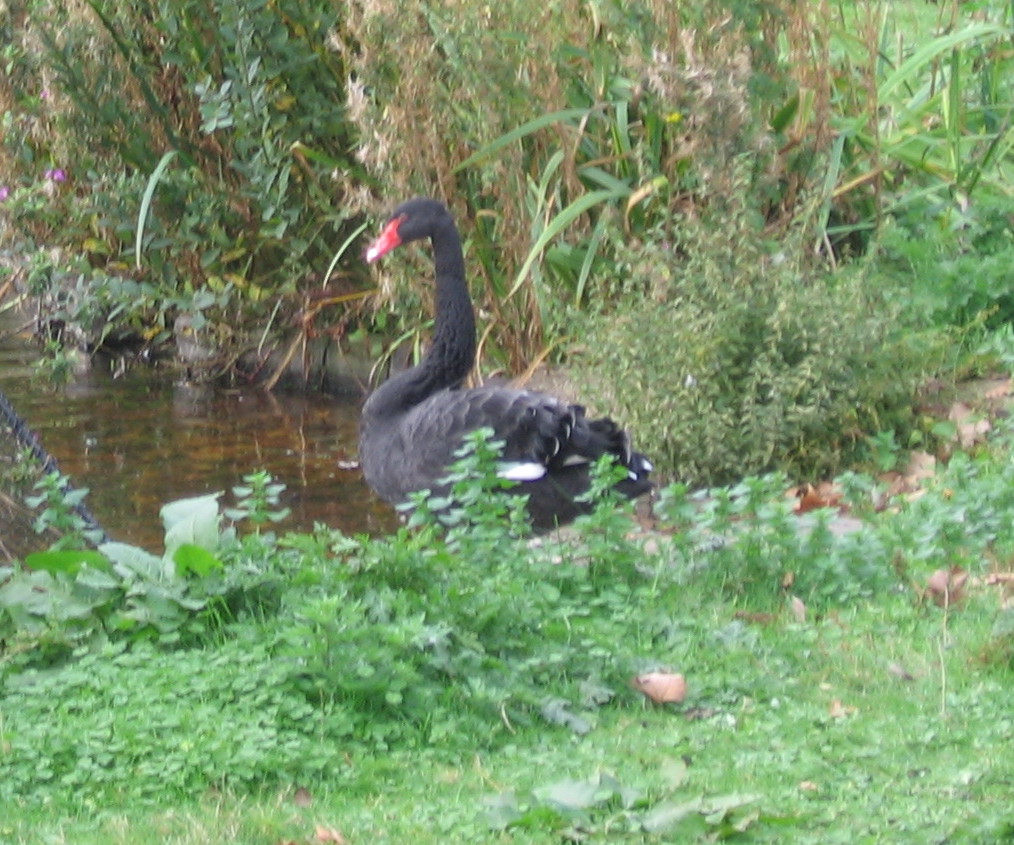
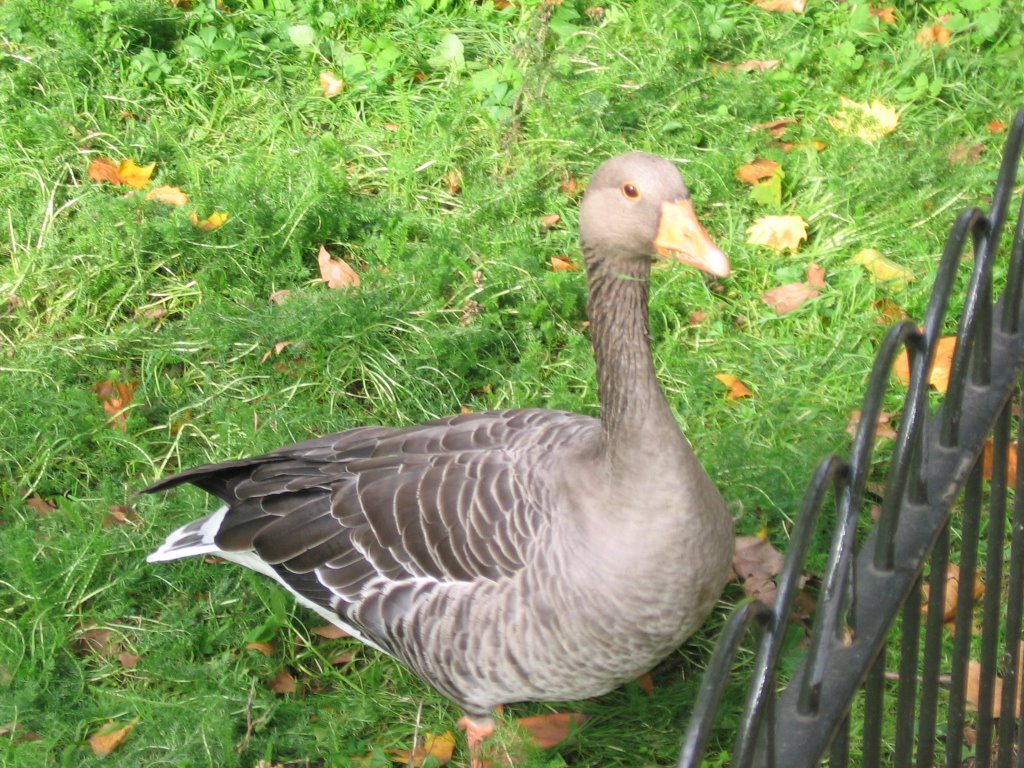
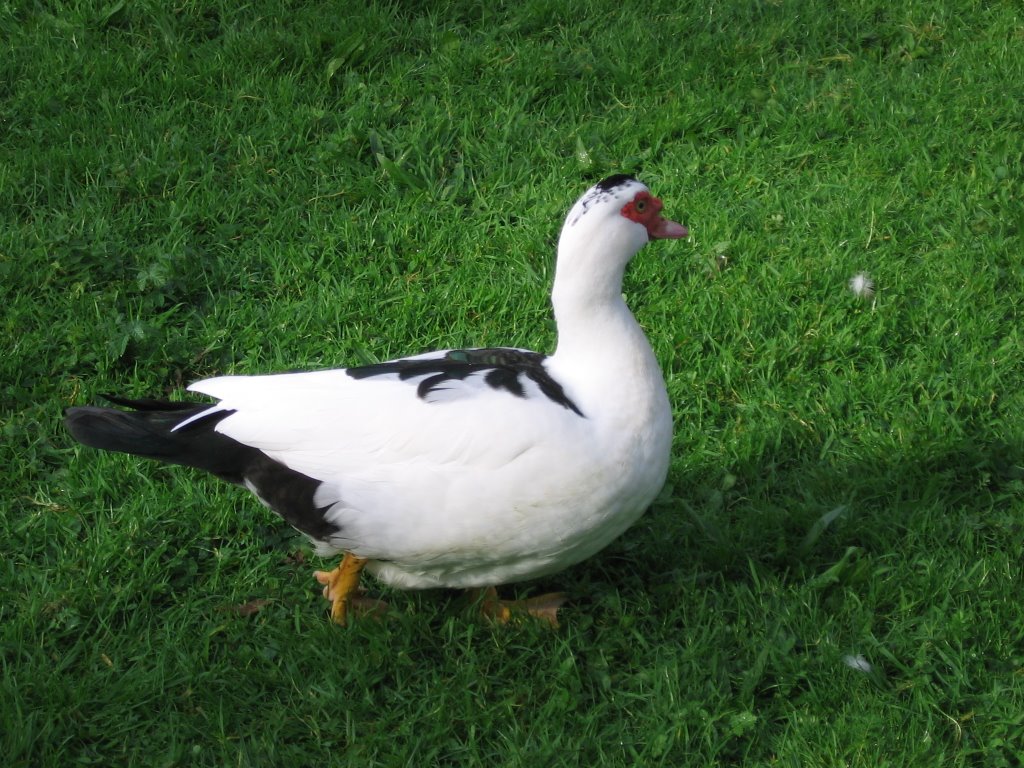
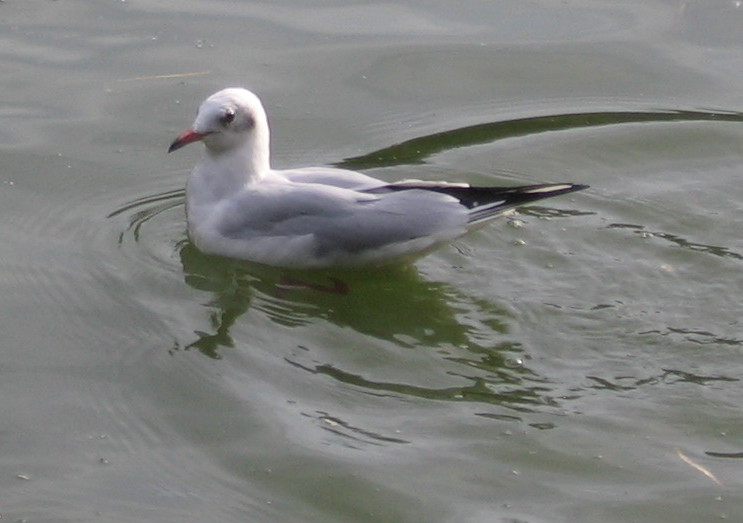
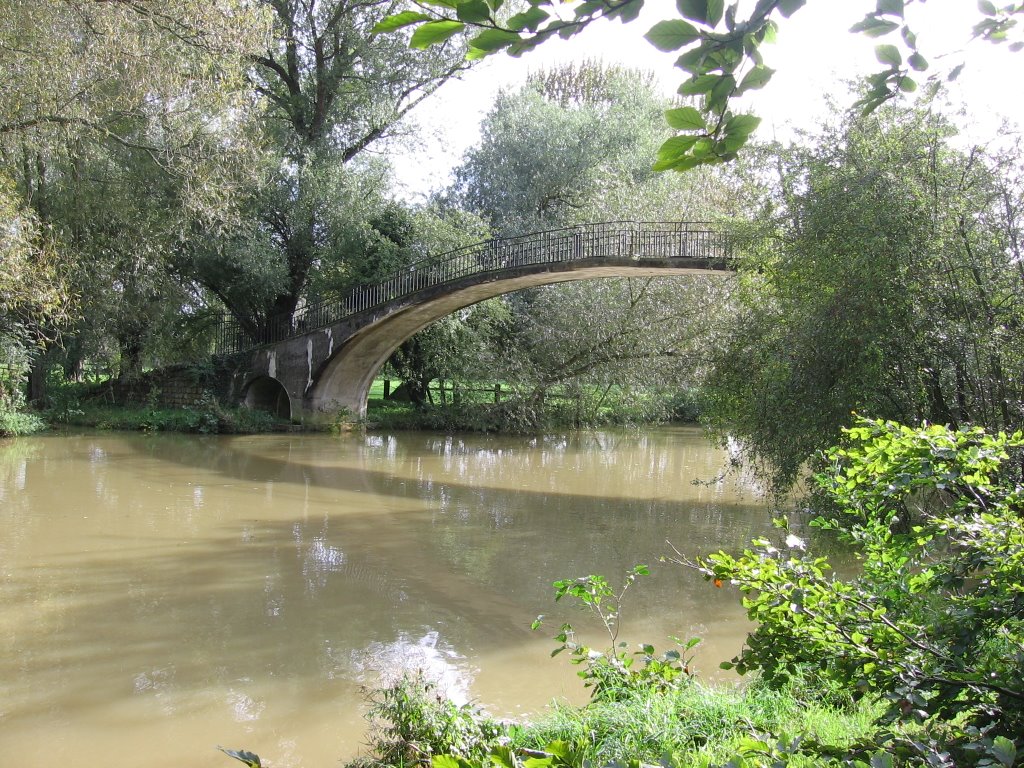
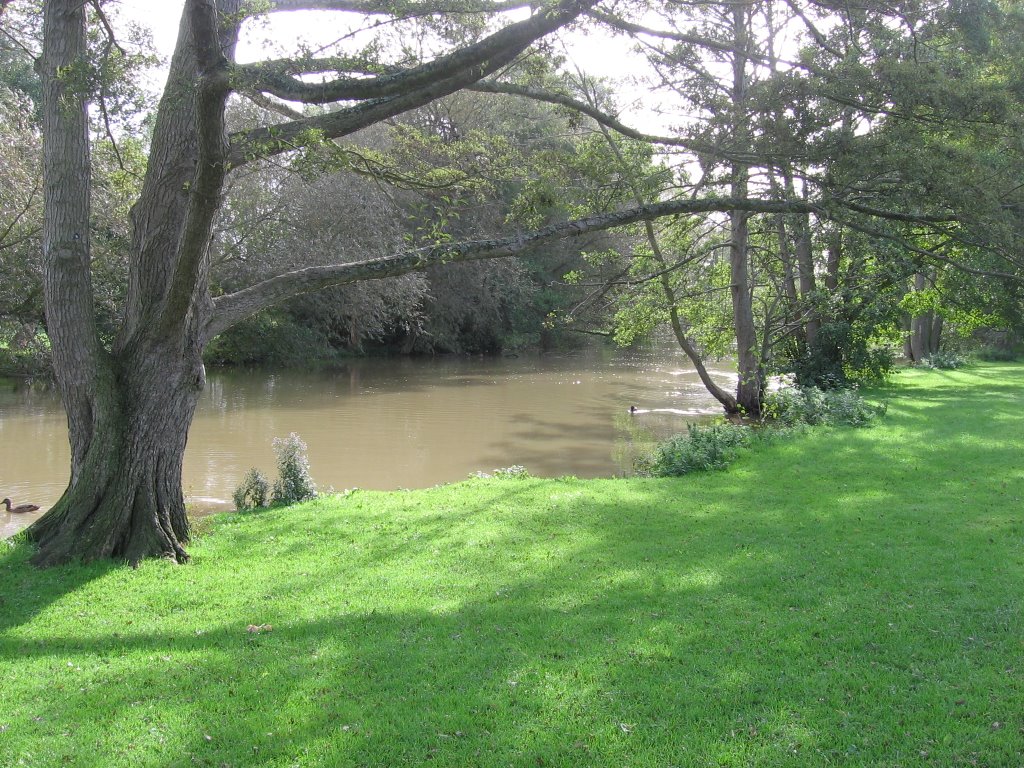
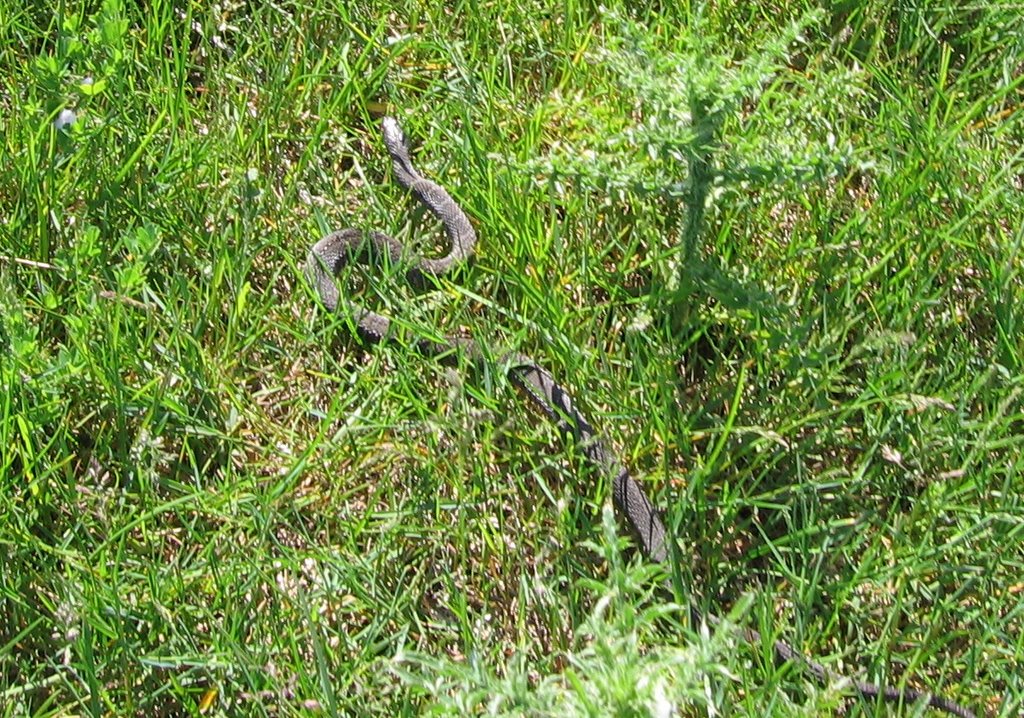
I just returned from a wonderful trip to England and Africa. Most of my time in England was spent at Oxford where I explored the University Parks and the Colleges. I also had a day to tour around London. Because I didn't have the spotting scope with me on this trip the bird pictures leave something to be desired but I'll post what I have, just for the record. I spent two weeks in Kenya at Kijabe and had a day trip to Lake Nakuru National Park and travelled to the island of Lamu for three days. Oxford has always had a large place in my imagination and it was wonderful to see so many of the places that I had read about in history and in story.
Saturday, September 30, 2006
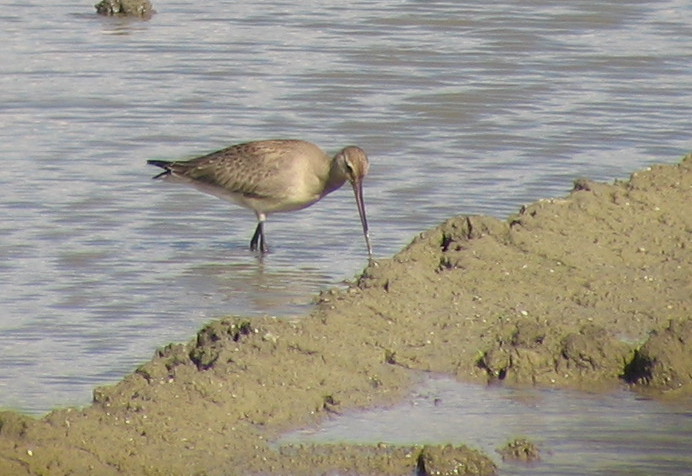
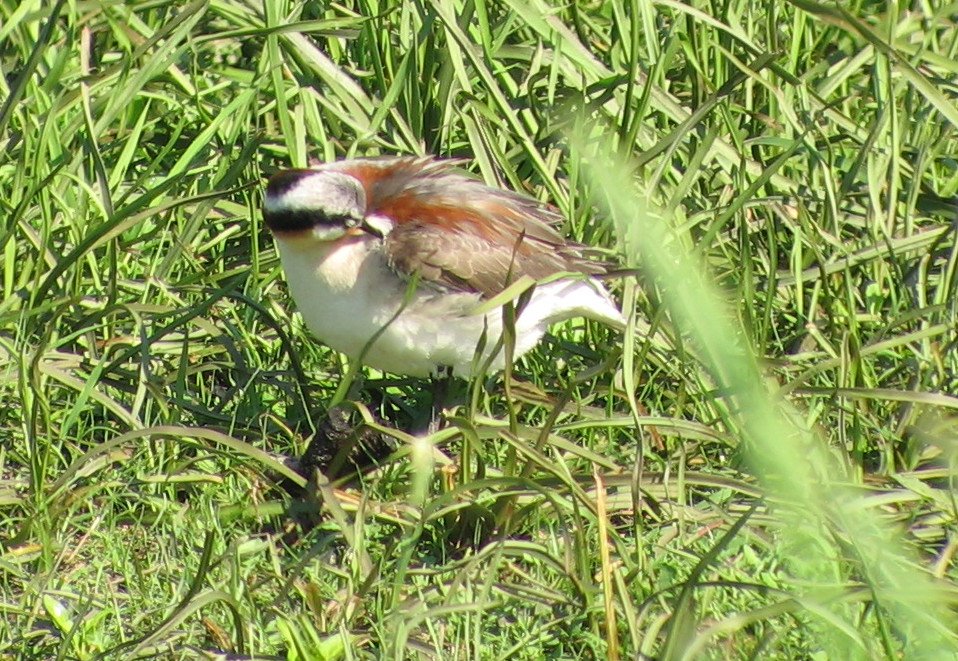
Amherstview Sewage Lagoons


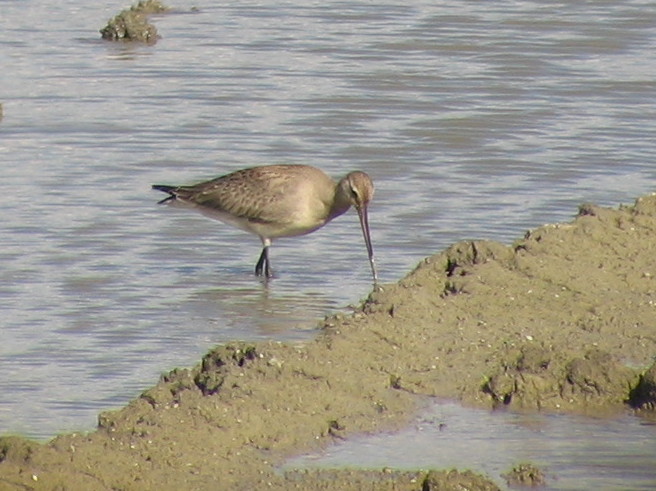
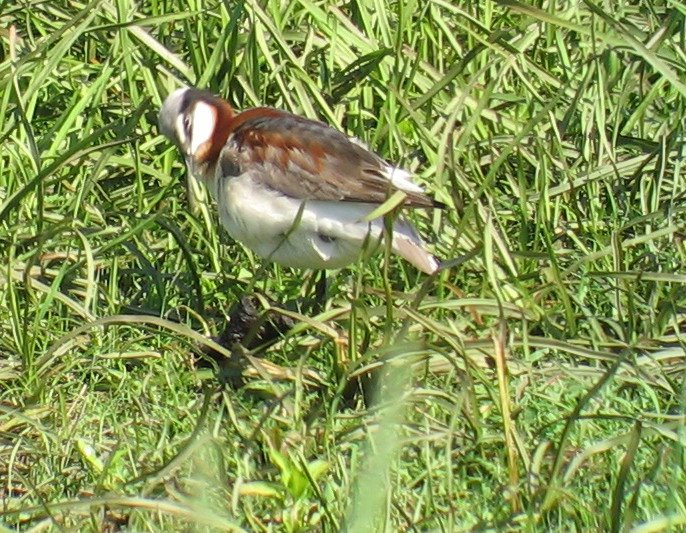
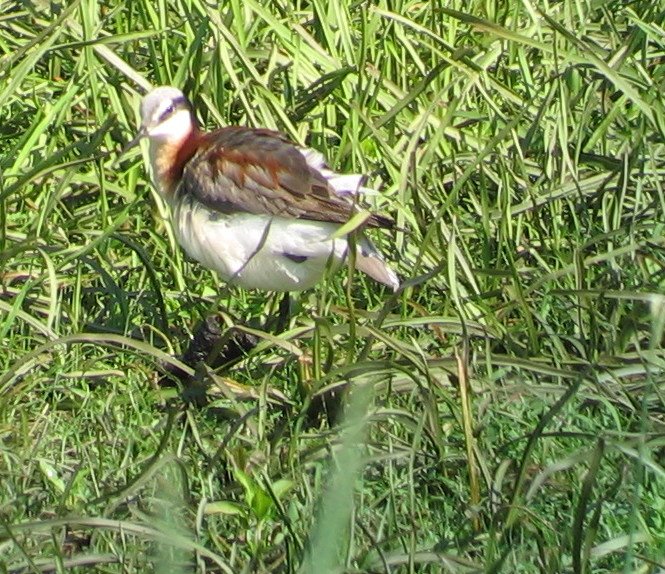
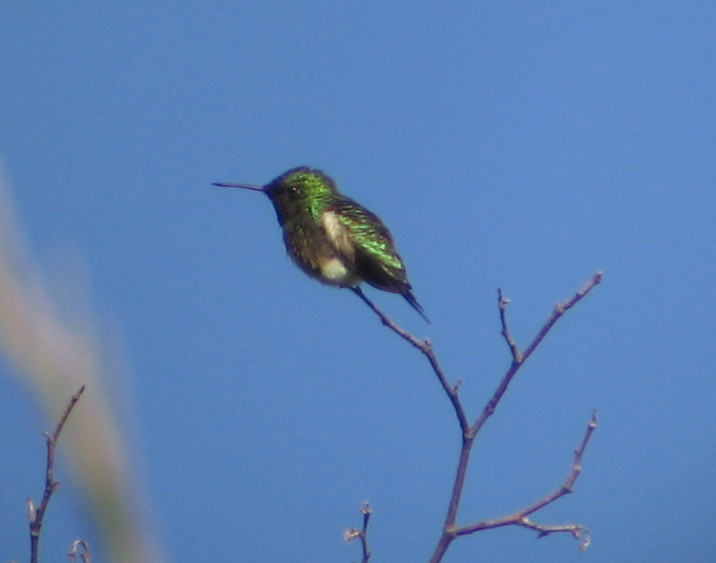
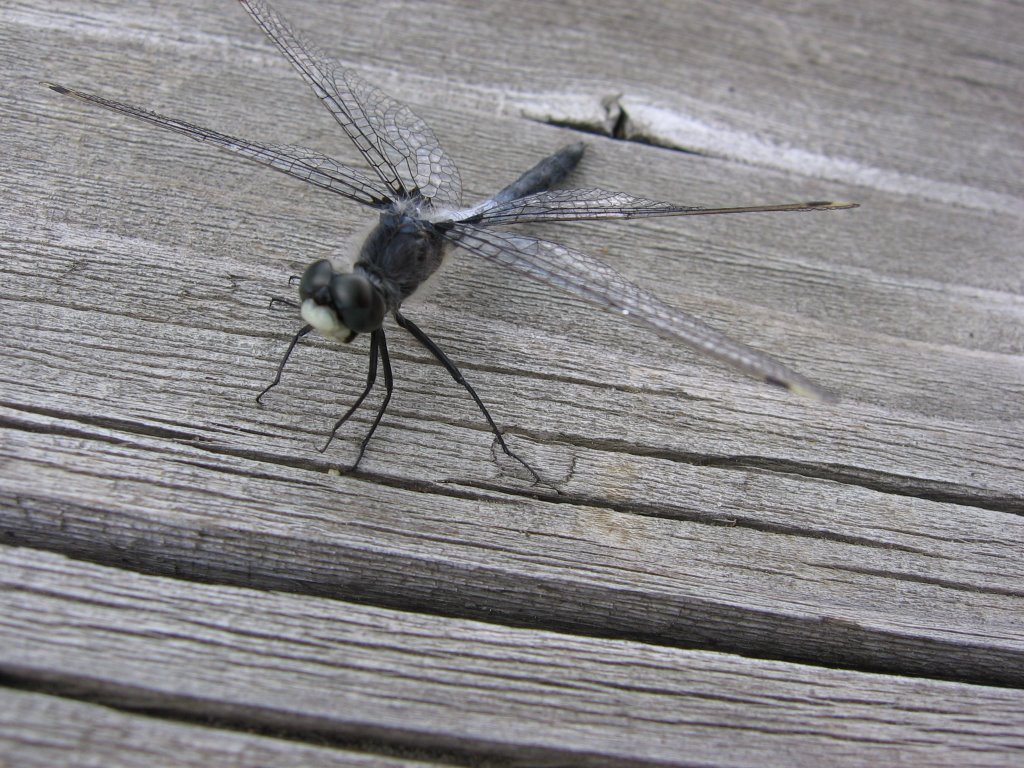
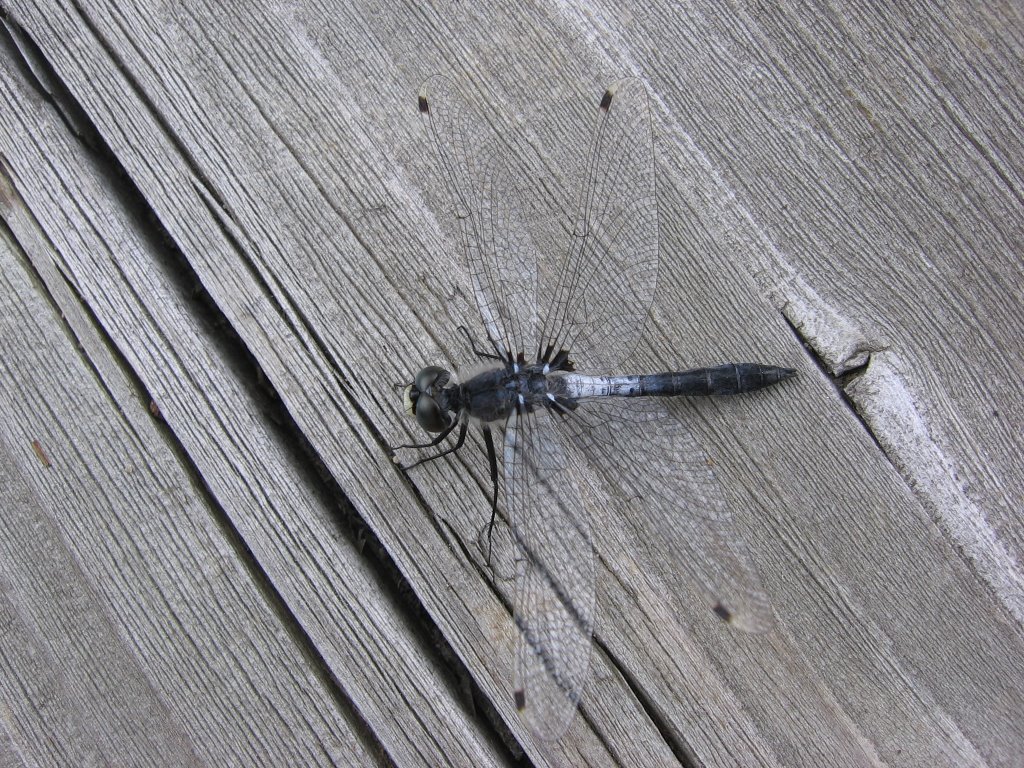
This was a new bird for my life list. There was only one at the Lagoons that I could find. He was cooperative for pictures as long as I kept my distance, although he was moving most of the time, making it a challenge for the digiscope process.


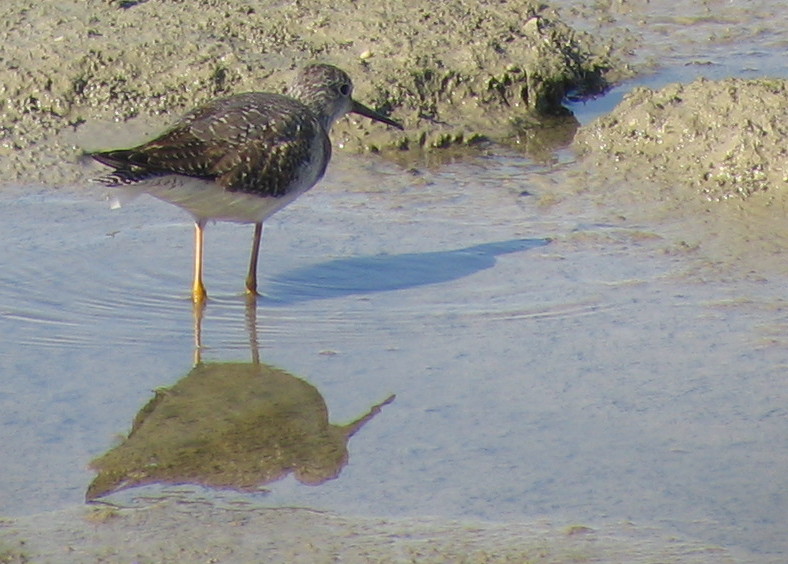
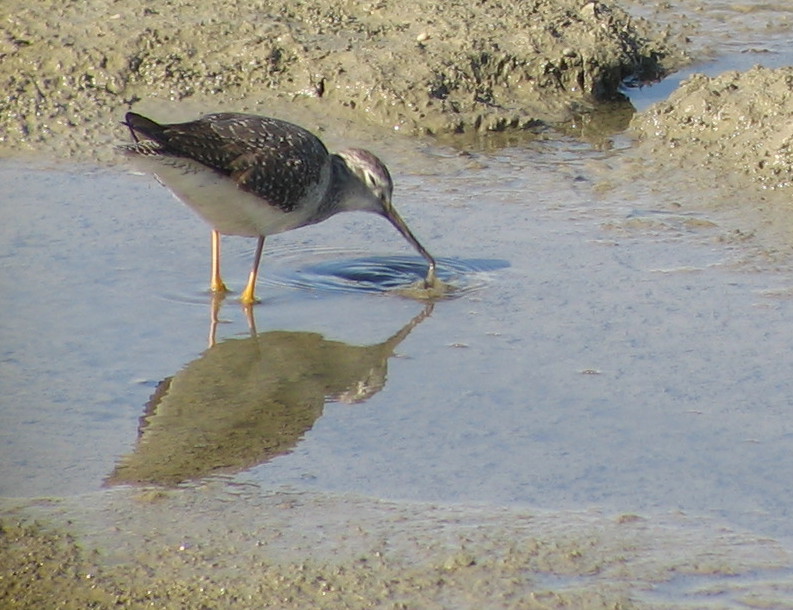
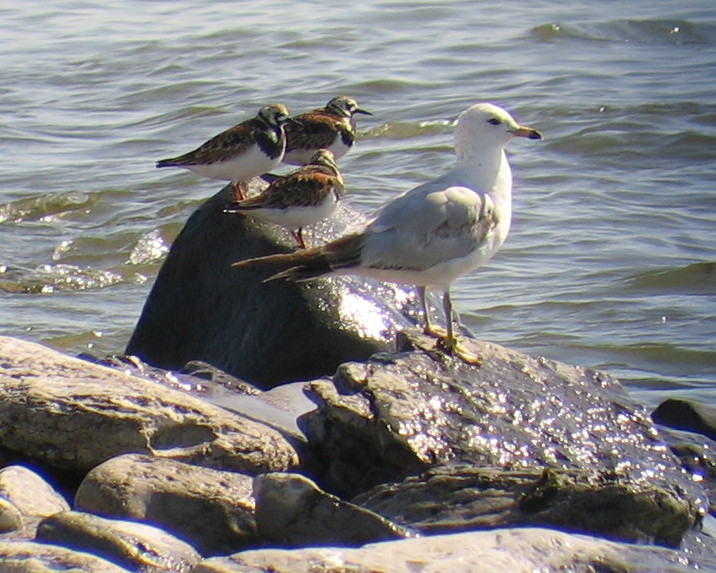
There were lots of American Pipit, Canada Geese, Bonaparte's Gulls, and Yellowlegs.
Sunday, July 02, 2006
Saturday, July 01, 2006
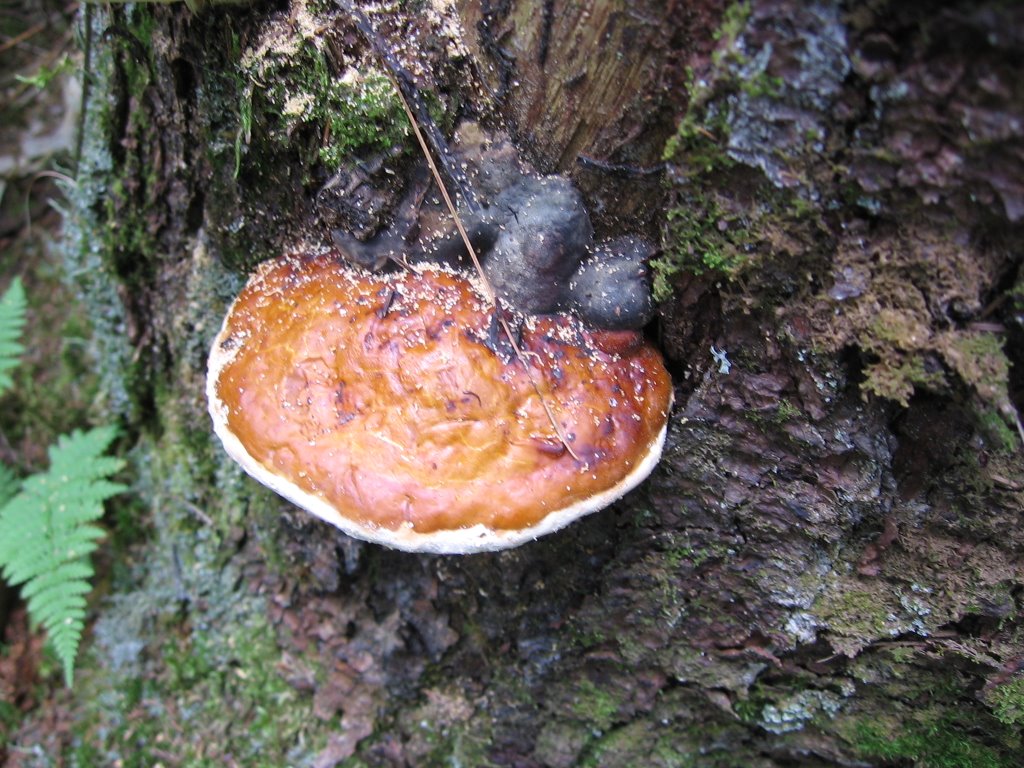
Fomitopsis pinicola


Algonquin Provincial Park, Bat Lake25 June, 2006
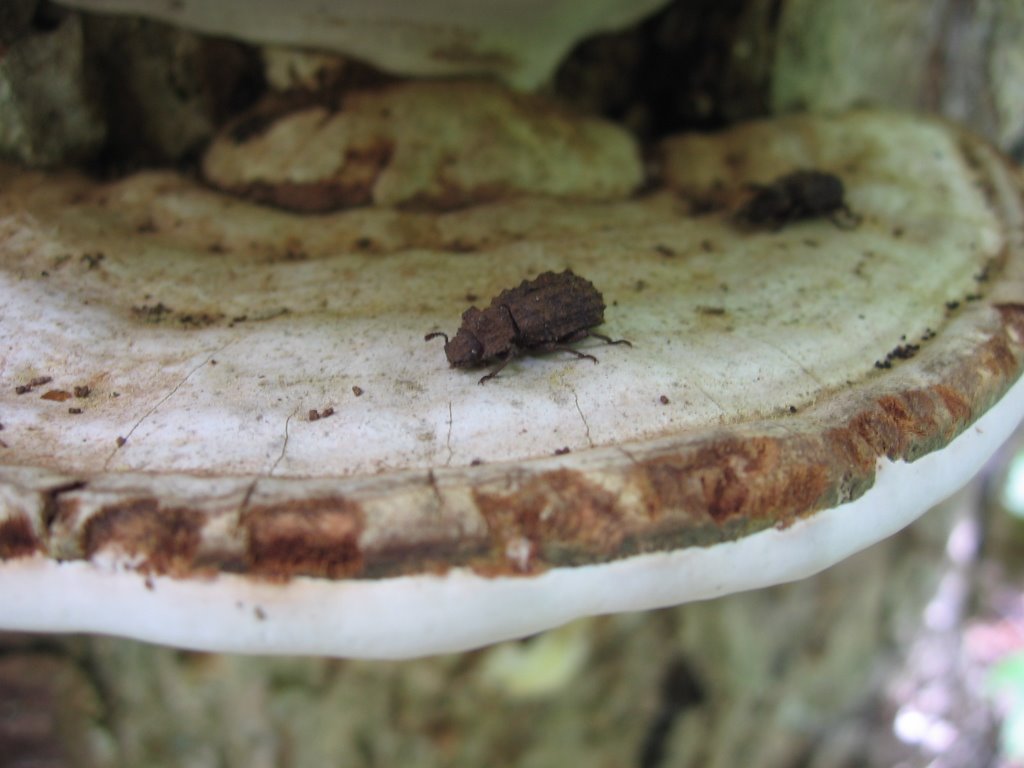
I believe that these are three different examples of the same species. All growing on dead stumps and commonly called the Red-belted Polypore. Roger Phillips (Mushrooms and Other Fungi of North America) says that this is the most commonly collected Polypore in North America.
Monday, June 26, 2006
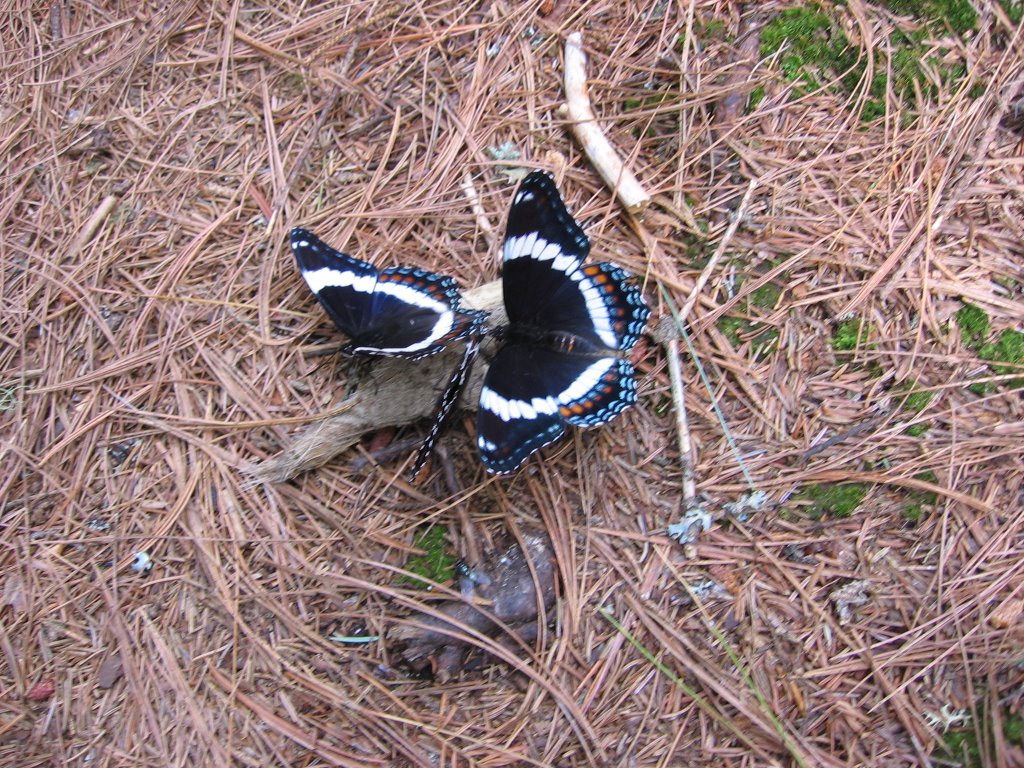
White Admiral
Algonquin Provincial Park, Bat Lake25 June, 2006
Whatever was in this scat, the butterflies really seemed to be enjoying. Being in shit doesn't always mean you're in trouble.
Check out this posting at Bootstrap Analysis for more on Lepidoptera and scat. Thanks to Norene for the link!
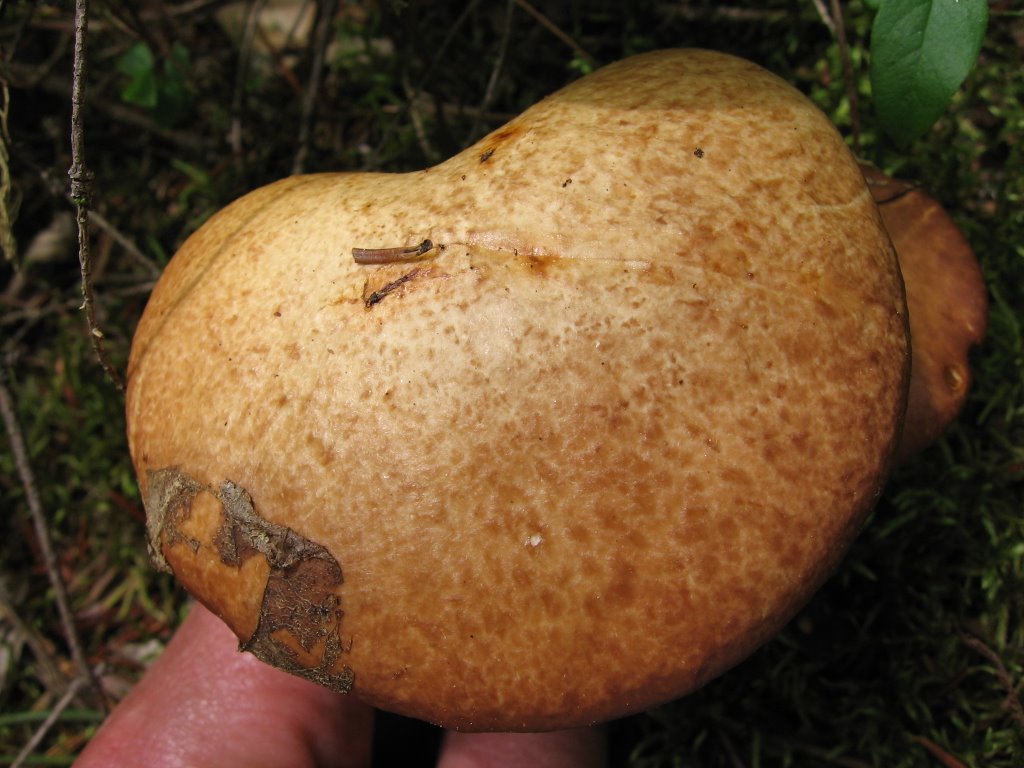
Suillus granulatus

Algonquin Park, Bat Lake25 June, 2006
This was growing beside the path in some moss. The roots were anchored to the rootlet of a coniferous tree. The cap was 7.5 cm. The stem was 8 cm. The flesh inside the cap is white. The brown skin peels off easily to reveal the white flesh.
Identifying almost any mushroom can be very difficult. In this case one look at the pore surface tells you that it is a Bolete. The two subgroups, Boletus and Tylopilus usually have stalks that are covered with a network of veins (i.e. are reticulate). In the subgroup Leccinum the stalk is always Scabrous. In the subgroup Suillus the stalk frequently has these speckled, glabrous, dots. All of this I determined from looking at "Mushrooms Demystified" by David Arora. I then went to the key in "Mushrooms of Northeastern North America" by Bessette, Bessette, and Fischer and looked at the key for Suillus. This guide is my first choice because it deals only with mushrooms of the Northeastern area. The description and picture of S. granulatus best met the mushroom that I was looking at.
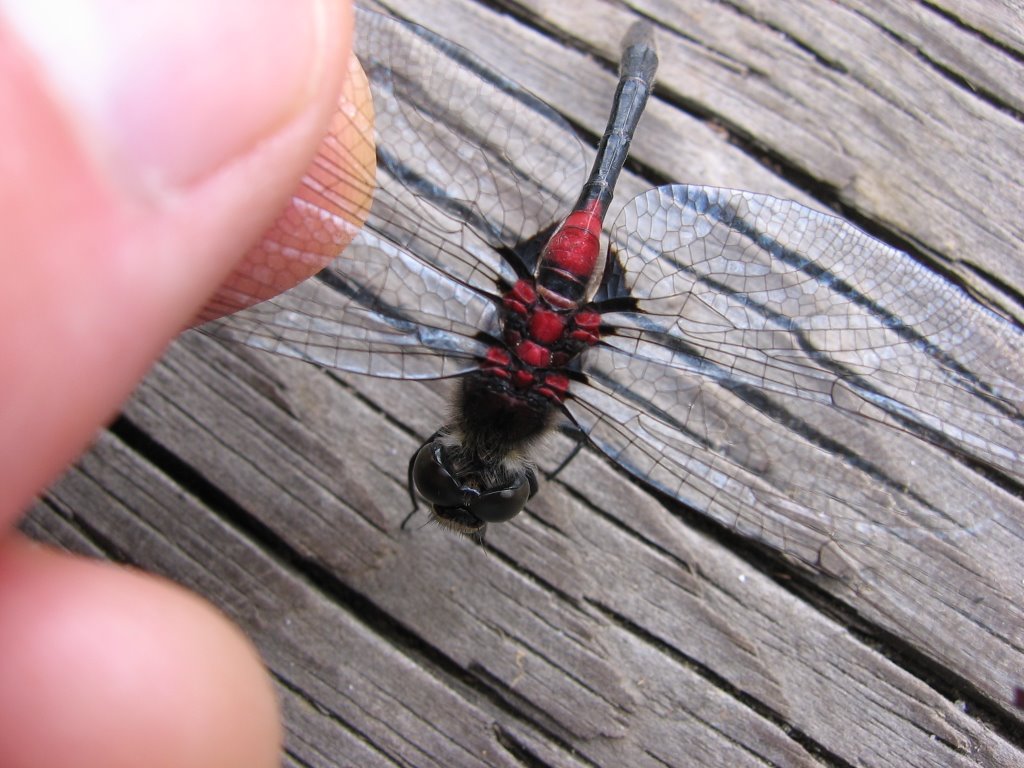
Crimson-Ringed Whiteface
Leucorrhinia glacialisAlgonquin Park, Bat Lake
25 June, 2006
Dunkle says that it is impossible to tell the male Crimson-Ringed Whiteface from the male red form Red-Waisted Whiteface. I have opted for my identification on the basis of some circumstantial evidence. Dunkle says that males from Ontario eastward are mostly White Form. Crimson-Ringed and Red-Waisted both frequent boggy, marshy, habitat and from May to August or September.
Algonquin Provincial Park: Bat Lake
A view from the Bat Lake hiking trail25 June, 2006
I took my son back to Algonquin for his second summer working as a Park Naturalist. After I dropped him off I hiked the 5.6 km Bat Lake trail. It was overcast most of the time so not the best for odes. I photographed a few interesting mushrooms and some insects. Because the brush was so dense most of the time there was little to see. I understand Bat Lake is a good spot for odeing because there are no fish in the Lake. I did see a few different species: the ubiquitous Chalk-fronted Corporal, a couple of Widow Skimmers, and many White-face.
Monday, June 19, 2006
Monday, June 05, 2006
Subscribe to:
Posts (Atom)